 Woolf Programs
 Davis, MSc in Management
 ESCP, EMIB


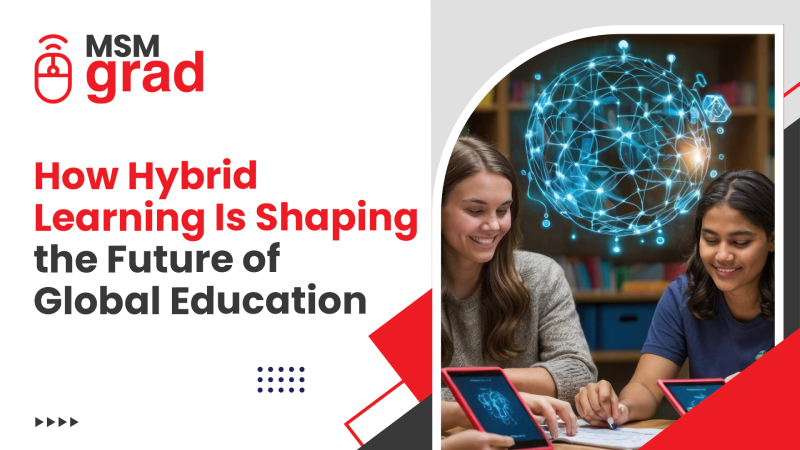
Everyone is privy to the fact that classrooms today look nothing like they did a decade ago. Have you noticed how learning no longer stops at four walls or fixed schedules? Students now attend lectures online, collaborate across time zones, and show up on campus for workshops or labs. That is hybrid learning at its best, a versatile combination of distance education and in-person learning that is transforming how the world learns.
So, why is it getting so much attention then? Because it works. Hybrid learning provides students and working professionals with the best of both worlds, like having the convenience of learning online and getting the face-to-face exposure of classroom learning. It is made to suit individuals who desire to move forward but not to halt their lives.
Why Hybrid Learning Works
Education is no longer limited to one place or one format. With blended classroom learning, learners can join a lecture online, collaborate on projects virtually, and still attend practical sessions or discussions on campus.
A UNESCO study from 2024 found that nearly 63% of universities now follow some form of hybrid model. And completion rates are higher too because students can manage their own time, learn at their own pace, and still stay connected.
For working professionals, it means:
- Keeping their jobs while upgrading their skills.
- Learning from global experts without leaving home.
- Turning knowledge into action right at work.
How Blended Education Builds Better Careers
Blended education brings together theory and application. Instead of long lectures, students learn through case studies, simulations, and projects that mirror real industry challenges. It’s not just learning for exams, it’s learning for life.
Professionals in marketing, AI, cybersecurity, and management now prefer flexible online courses because they can earn recognized credentials while balancing career goals.
The Future Is Hybrid
The future of learning isn’t online-only or campus-only, it’s both. Hybrid learning has become the bridge between knowledge and opportunity, helping students and professionals learn smarter, not harder.